
















Revealed: UK University Urges Agents to Cut MRes Intake Amid Dependant Visa Concerns
 UK University Urges Agents to Cut MRes Intake
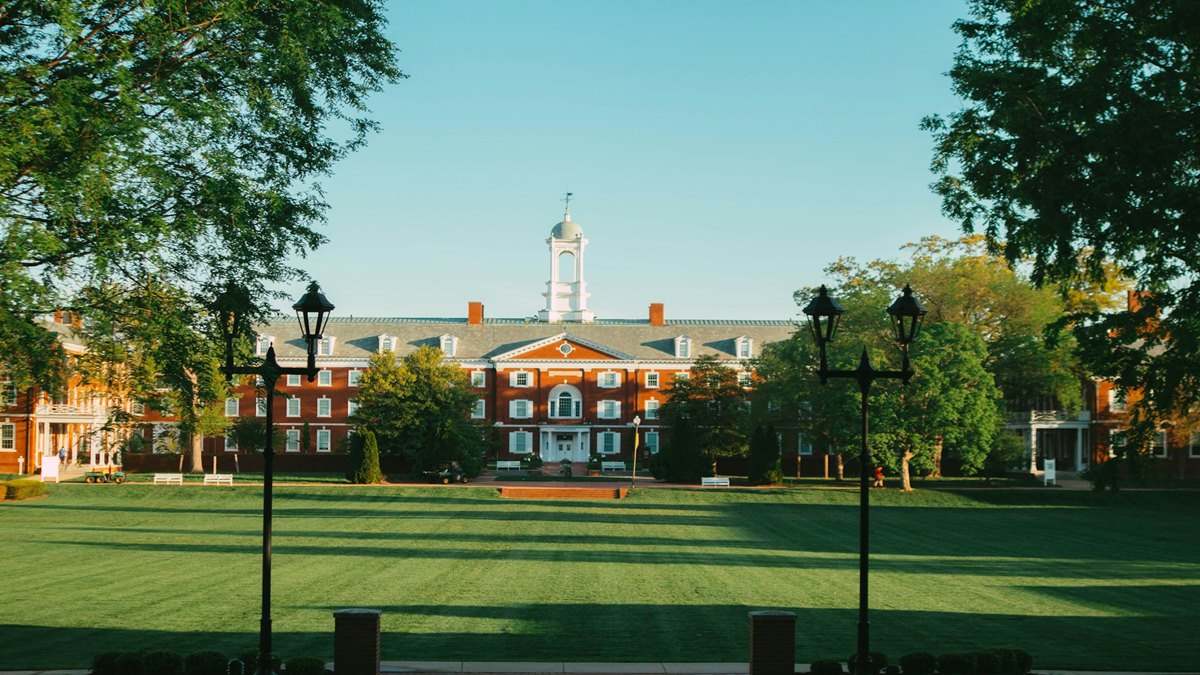
PC: Artem Beliaiki/ Unsplashn
UK University Urges Agents to Cut MRes Intake
PC: Artem Beliaiki/ Unsplashn
A prominent UK university has directed its international recruitment agents to significantly reduce the number of Master of Research (MRes) applicants for the September 2025 intake. This internal directive comes in response to an overwhelming surge in applications and growing concerns that the one-year MRes program is being misused as a visa route for bringing dependants into the United Kingdom.
Read More: One-Year UK MRes Programs Under Scrutiny Over Supervision and Visa Concerns
In an official communication seen by The PIE News, the university confirmed the closure of all MRes courses to new applications, citing the high volume already received. Education agents have been told that MRes candidates should not exceed 25% of their total Confirmation of Acceptance for Studies (CAS) allocations. This cap, according to the university, aims to ensure a more balanced and diverse applicant pool amid an unprecedented demand spike.
The MRes degree, typically positioned as a research-focused pathway towards a PhD or academic career, has come under renewed scrutiny due to its inclusion in the UK’s limited list of postgraduate courses eligible for student dependants. Following the UK government’s 2024 immigration policy changes that restricted dependant visas for most international students, research-based programs like MRes and PhDs remained exempt creating what some university officials describe as a policy loophole.
Read More: ESCP Expands to India with IIT Partnerships and New Tech-Focused Schools by 2030
A university vice-chancellor, speaking at a recent event, warned that the growing misuse of MRes programs as a workaround could lead to even stricter government regulations. “It’s a loophole,” he said, highlighting how some institutions and agents have begun aggressively marketing the MRes route as a means for students to relocate with their families.
This has led to backlash from within the education sector. In early 2025, MRes-related enquiries from international students nearly doubled, accounting for 49% of all UK study interest up from just 23% the previous year, according to data published by The PIE News. The demand has particularly surged in countries such as Nigeria, India, Bangladesh, and Pakistan, where student applicants are more likely to seek family migration opportunities.
Read More: Foreign Universities to Open Campuses in Mumbai Under India’s NEP 2020
The university in question has since taken additional steps to control the narrative around its MRes offerings. Agents have been instructed that any advertisements or promotional material related to the program must receive prior approval. Communications explicitly state that “under no circumstances should MRes be promoted as a route for bringing dependants to the UK.”
These sudden restrictions have sparked frustration among agents who had already processed hundreds of student offers. One agent, who wished to remain anonymous, told The PIE, “We now have hundreds of offers for September that we have to withdraw. It’s not fair and is very poor planning from the university. How are we supposed to pick the 25% that are more worthy of a place than others?”
The university’s decision appears to be linked to its mid-cycle request for additional CAS allocations from UK Visas and Immigration (UKVI) a move that often triggers scrutiny and audits to assess the nature of increased demand. It has since confirmed it has received additional CAS capacity for the September intake but remains firm in its directive to limit the MRes applicant pool.
Additionally, the university has announced that from September 2025 onwards, it will no longer accept Medium of Instruction (MOI) letters as valid proof of English language proficiency for MRes applications. This new requirement is likely to affect students from several non-English-speaking countries where formal English tests are not typically required.
While the UK government has yet to name the MRes program directly in its latest white paper on immigration reform, the issue remains part of a broader compliance challenge for UK universities. Currently, institutions must maintain a visa refusal rate below 10%, an enrolment rate above 90%, and a course completion rate of at least 85% to retain their Highly Trusted Sponsor status. New proposals in the immigration white paper seek to raise these thresholds by five percentage points, aiming to reduce “abuse and exploitation” in the student visa system.
For UK higher education, the developments present a difficult balancing act between upholding academic integrity and meeting international student recruitment targets, while staying compliant with rapidly evolving immigration frameworks.
As universities move to safeguard their reputations and visa sponsorship privileges, the future of short-term research programs like the MRes may depend not just on academic merit, but on how responsibly they are marketed and managed in a competitive global education landscape.