













India Raises Concerns Over U.S. Stricter Student Visa Vetting
 U.S. Stricter Student Visa Vetting
PC: Joy Downen
U.S. Stricter Student Visa Vetting
PC: Joy Downen
India has expressed strong concerns regarding the United States’ recent decision to tighten vetting procedures for student visa applicants, introducing measures such as mandatory public social media disclosures. The Indian Ministry of External Affairs (MEA) has urged U.S. authorities to ensure visa applications are processed fairly and promptly to prevent disruptions in students’ academic plans.
Read More: Demand for Study Abroad Soars Among U.S. Students in 2025
Key Developments in Visa Policy
On June 23, 2025, the U.S. Embassy in India announced that applicants for certain non-immigrant visas, including student visas, must set their social media profiles to public mode prior to applying. This move aims to enhance security screening and prevent fraudulent activities.
Adding to the uncertainty, since May 27, 2025, U.S. embassies and consulates globally have paused scheduling new student visa interviews to implement these expanded vetting measures. The suspension has sparked widespread concern among students planning to begin their studies in the upcoming academic year.
Read Also: Kazakhstan Emerges as Hub for International Branch Campuses
Impact on Indian Students
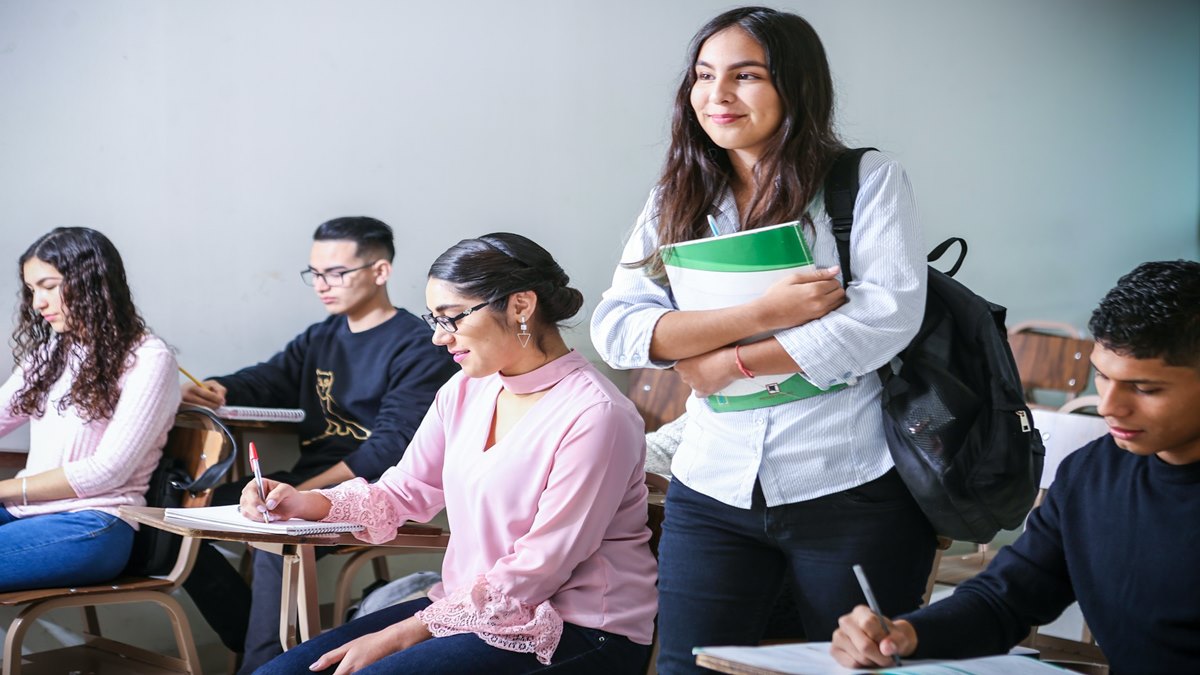
India remains one of the largest contributors of international students to U.S. universities, with over 330,000 Indian students enrolled in 2023–24. The new policy raises fears of processing delays and heightened scrutiny, potentially affecting thousands of Indian applicants preparing to join U.S. institutions.
India’s Official Response
The MEA has called on the U.S. to ensure visa assessments remain merit-based and transparent, emphasizing the importance of timely processing to avoid academic disruptions. The Ministry also stated its intention to continue engagement with U.S. counterparts to safeguard the interests of Indian students.
Broader Implications
The stricter visa rules have sparked a debate about striking a balance between national security measures and academic mobility. While U.S. officials maintain that the changes are essential for security, critics warn that such policies could deter international students, impacting both educational institutions and the economy.
As the situation evolves, Indian students and higher education institutions are monitoring developments closely, with many seeking clarity on interview rescheduling and compliance requirements. The coming months will be critical in determining how these measures shape the future of India-U.S. academic exchange.