














Lawsuit Challenges Trump’s $100,000 H-1B Visa Fee
 Trump Effect
PC: Unsplsh
Trump Effect
PC: Unsplsh
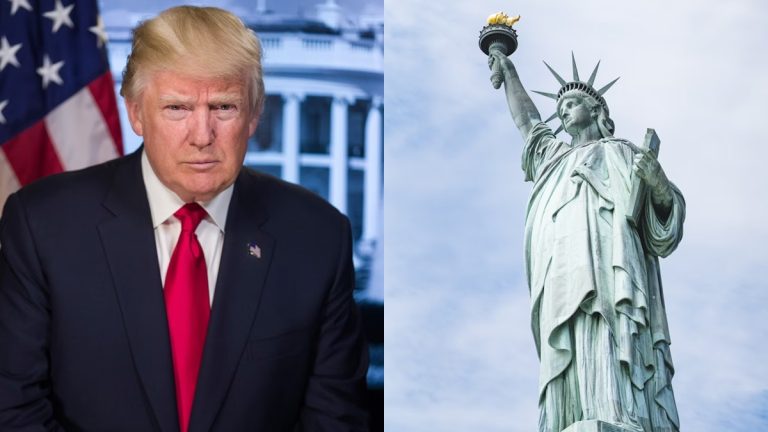
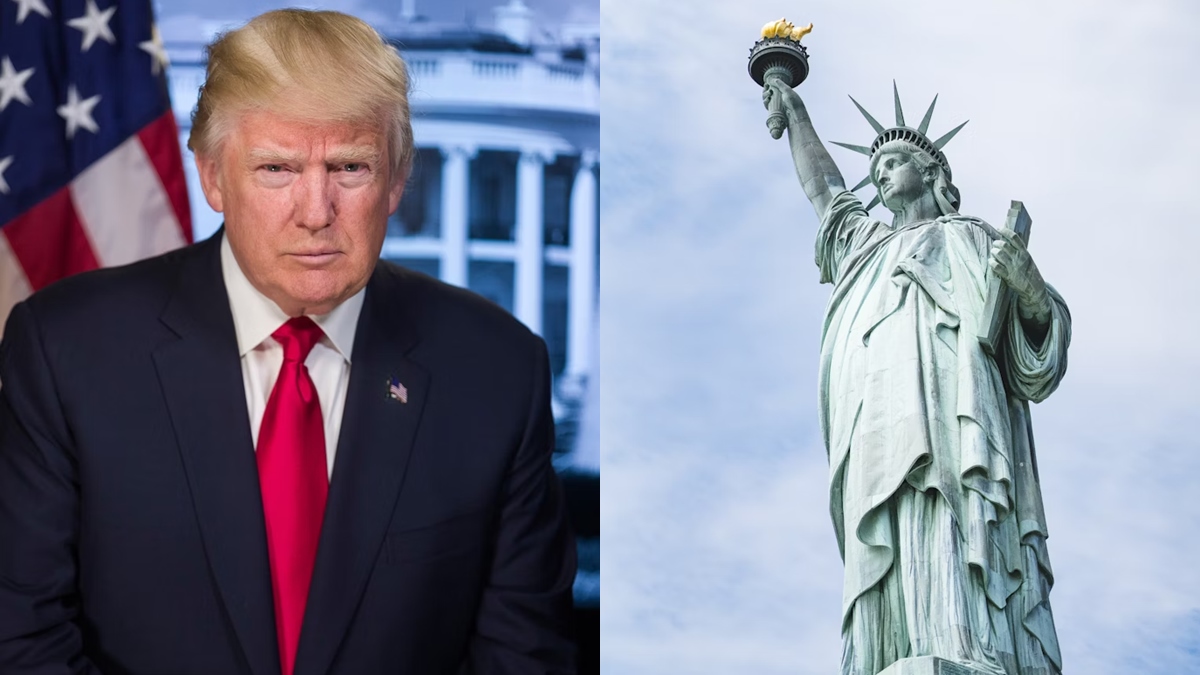
San Francisco: A coalition of U.S. labor unions, employers, educators, and religious groups has filed a lawsuit against President Donald Trump’s recent order imposing a $100,000 charge on new H-1B visa petitions. The plaintiffs claim that Trump’s move oversteps presidential authority and could severely impact universities, hospitals, and technology companies that depend on international talent.
The proclamation, signed on September 19, took effect within days. It requires employers sponsoring new H-1B workers to pay a $100,000 “supplemental fee” for each petition. The White House said the decision was meant to prevent misuse of the visa program and safeguard U.S. wages. However, critics have condemned it as an unconstitutional shortcut that bypasses Congress and imposes a massive financial burden on employers.
Broad Legal Challenge Filed in San Francisco
The lawsuit, filed in federal court in San Francisco, names multiple government agencies responsible for implementing the new rule. It is led by the United Auto Workers, the American Association of University Professors, a nurse recruitment agency, and several religious organizations, according to Reuters.
Plaintiffs argue the policy is “illegal and arbitrary,” stating that the president lacks the authority to levy such a charge without congressional approval. Legal experts say the case could become a major test of the separation of powers between Congress and the executive branch. If the court determines the order functions as a tax or fee without proper authorization, it may quickly suspend the rule.
Industry Divided on Response
Reactions from the business community have been mixed. Some large tech firms, such as Nvidia, have said they will continue sponsoring foreign workers and cover the new costs. Smaller startups, however, warn that such high fees could force them to move operations overseas or cut back on U.S. hiring.
State attorneys general and several governors have also expressed concern, suggesting the policy could harm innovation, healthcare, and education sectors.
Wider Implications for U.S. Immigration Policy
Beyond the courtroom, the issue highlights ongoing tensions in America’s immigration system — balancing domestic job protection with the need for global talent. The outcome of this case could reshape how much power presidents hold in setting immigration-related costs and influence the future of high-skilled migration to the United States.
“Without relief, hospitals will lose medical staff, churches will lose pastors, classrooms will lose teachers,” the plaintiffs’ coalition said in a joint statement.