














Montreal YMCA Language School to Close After 60 Years Amid Federal Policy Changes
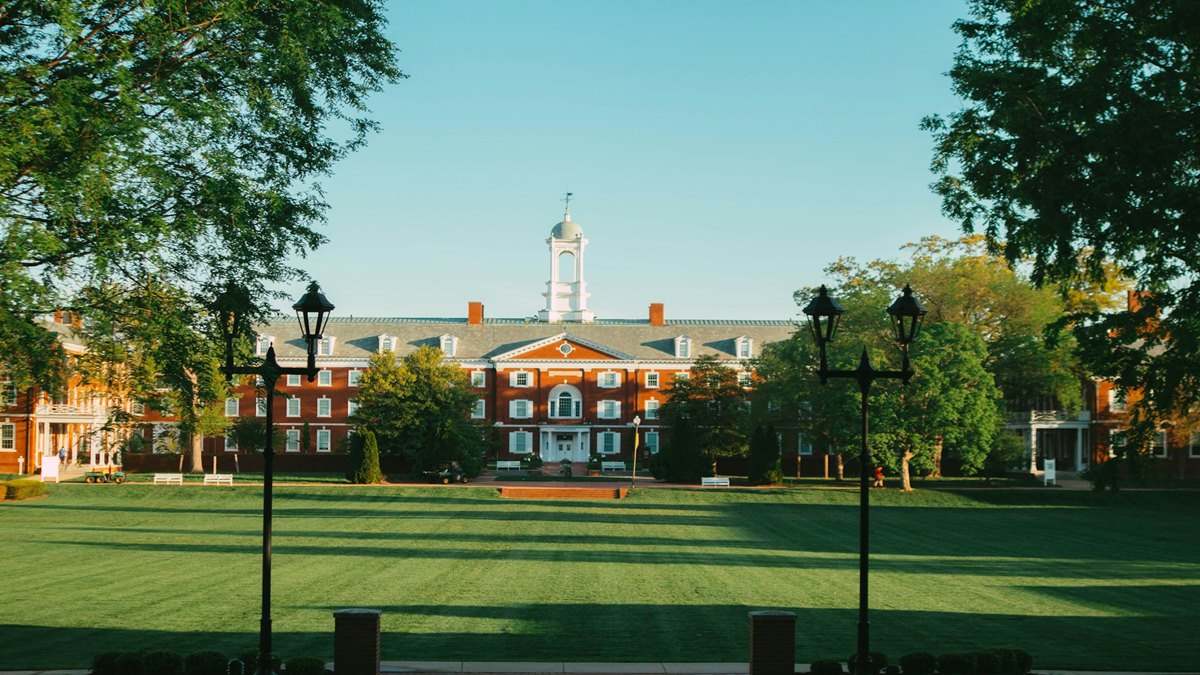
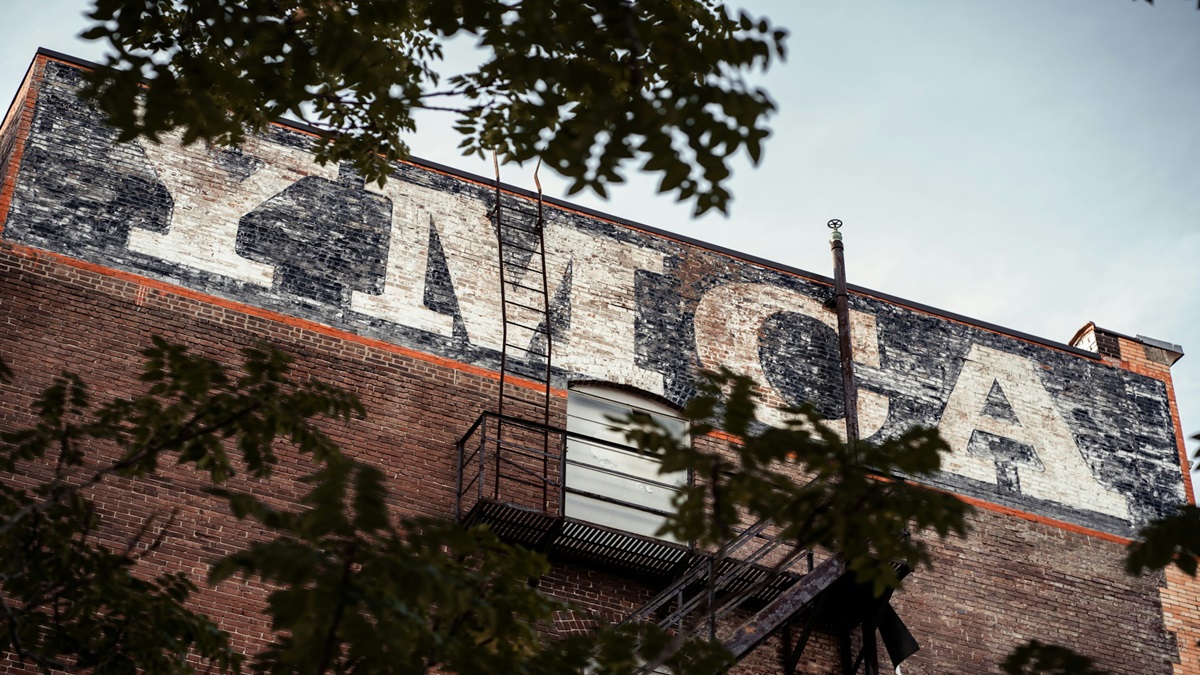 Ronnie George/ Unsplash
Montreal: The YMCA International Language School, a mainstay of downtown Montreal for six decades, has announced it will close at the end of the fall semester. Students who choose not to continue until then will receive prorated refunds, the organisation said.
The closure reflects a combination of challenges, including the COVID-19 pandemic, declining international student numbers, competition from online language programs, and recent changes to federal immigration policies, which have made it increasingly difficult for small and mid-sized language schools to operate sustainably. Eric Trudel, Vice-President of Operations at the YMCA of Quebec, told The PIE News:
“The pandemic, declining student numbers, online competition, and policy changes all culminated to spell trouble for the YMCA school.”
Read Also: Lawsuit Challenges Trump’s $100,000 H-1B Visa Fee
Sector-Wide Contraction
This single closure mirrors a broader national trend. Languages Canada, the accrediting body for language schools, reports that more than 13% of accredited English and French programs closed in the first quarter of 2025—nearly 29 programs in total. Enrolments had already fallen by 15% in 2024. According to the association, the number of accredited official-language programs is now at its lowest level since 2011.
Gonzalo Peralta, Executive Director of Languages Canada, attributed the closures to federal policy changes:
“The closures in recent years of Canada’s official language programs are 100% the result of faulty or inappropriate government policy.”
Key federal reforms cited include caps on new study permits, stricter verification rules, tighter post-graduation work permit requirements, and mandatory attestation letters from provinces. While Ottawa says these measures were designed to protect students and ease pressure on housing and services, critics argue the rapid introduction of these changes has deterred prospective students and disrupted school budgets.
The YMCA school offered nine language programs and enrolled roughly 5,000 students annually, employing over 100 staff. Its closure will affect not only employees but also thousands of indirect jobs in the language education ecosystem. Educators warn the losses extend beyond economics, as official-language programs are essential pathways for newcomers to integrate, work, and participate in Canada’s bilingual society.
As language schools shutter across the country, the debate now focuses on balancing public concerns with long-term national interests in education. Peralta emphasized:
“Canada needs effective leadership in immigration matters and a continuation of the current pause for policy and process changes.”