















“Trump Effect” Sparks Global Shift in Student Mobility Patterns
 Trump Effect
PC: Unsplsh
Trump Effect
PC: Unsplsh
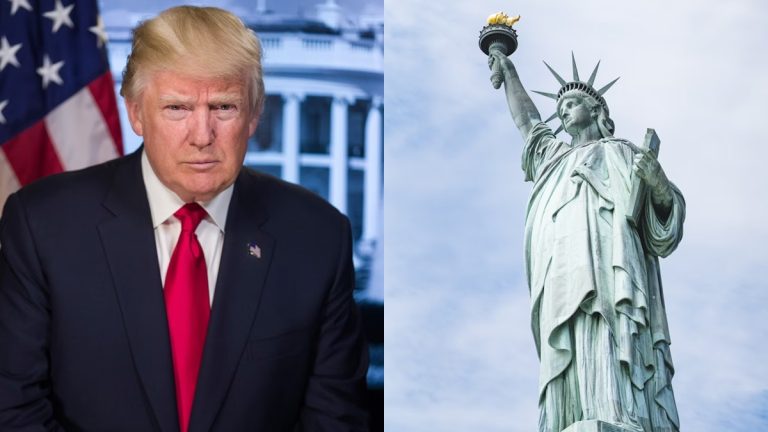
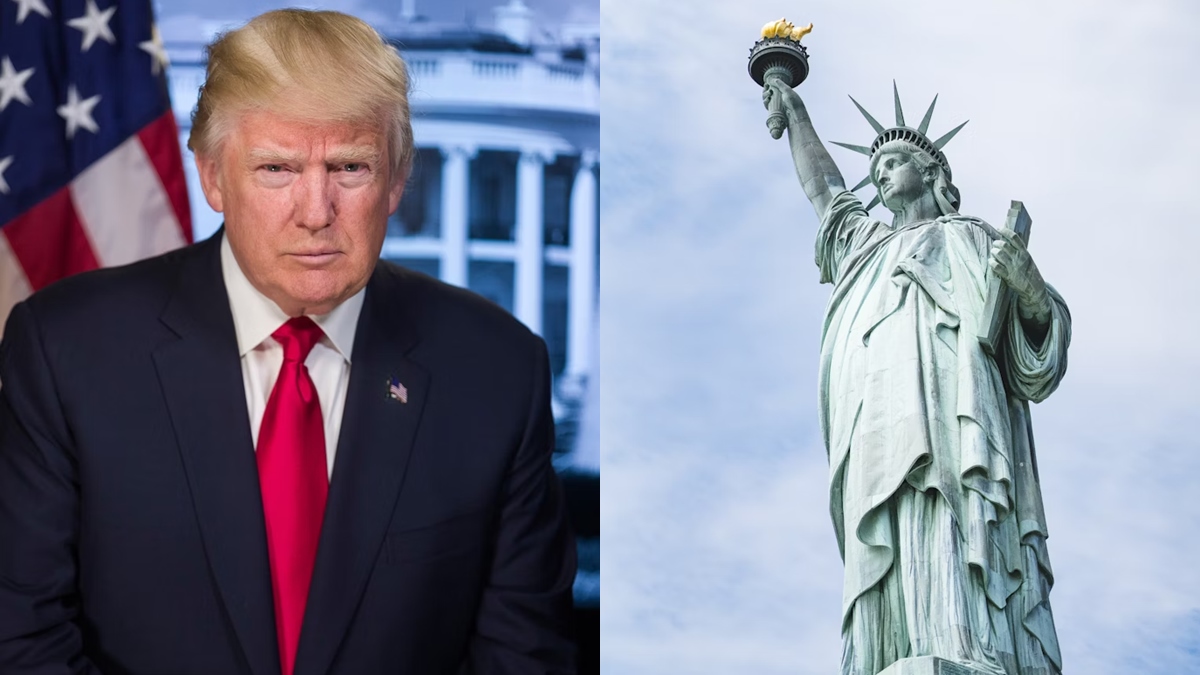
The return of Donald Trump to the presidency in 2025 has reignited concerns over the United States’ role as a global hub for international education. The so-called “Trump Effect” – a term first coined during his initial term – has reemerged, describing the chilling impact of political rhetoric and restrictive immigration policies on international student mobility.
Earlier this year, the Trump administration implemented sweeping visa enforcement measures that led to the revocation of over 1,000 student visas. Officials cited alleged security concerns and associations with campus protests, prompting backlash from legal experts and education stakeholders. Critics argue the policy undermines both free speech and due process, with universities expressing concern over its long-term impact on academic integrity and campus diversity.
Read More: Why Asian Tigers Are Emerging as Top Study Destinations
“These actions send a disturbing message to students worldwide,” said a senior immigration attorney involved in related legal appeals. “Many of these visa cancellations were arbitrary, with students given little to no opportunity to respond or defend themselves.”
The policy changes have caused ripple effects globally. Institutions in countries like the UK, Canada, and Australia are already reporting increased application volumes from students who might have otherwise chosen the U.S. as their preferred destination. Among the most impacted are students from South Asia, the Middle East, and parts of Africa — regions that historically sent large numbers of students to the U.S.
According to new data from education consultancies, the U.S. saw a 12% decline in international student interest in the first half of 2025, while the UK saw a 9% increase during the same period. This shift is not limited to international applicants. More American students are also exploring degree options abroad, citing political instability and concerns over campus restrictions.
New Zealand Sets Target to Double Education Export Value by 2027
“This isn’t just about immigration; it’s about a loss of confidence in the U.S. as a welcoming and safe academic environment,” noted a British university admissions officer. “Students want stability, and right now, they’re looking elsewhere.”
The situation has raised alarms among U.S. higher education institutions, which rely heavily on international student tuition and diversity. International students contributed over $38 billion to the U.S. economy pre-pandemic, and institutions fear further declines will impact not only finances but also research output and global collaboration.
Despite the challenges, education leaders continue to advocate for balanced policies that maintain national security while preserving academic freedom and global engagement. Organizations such as NAFSA and the American Council on Education have urged the administration to reconsider recent actions and reaffirm the country’s commitment to being a global leader in education.
As the 2025 academic year progresses, the international education community is watching closely. The U.S. must now decide whether to course-correct and reclaim its place as a top destination for global talent, or risk a long-term shift that could permanently reshape the international student landscape.
Opportunity for India
According to The Hindu, new restrictions in the UK, US, Canada, and Australia have opened doors for India as a study destination. A recent Indian government study found Indian student enrolment abroad grew 47% from 907,000 in 2022 to 1.33 million in 2024. However, Indian enrolments in the four traditional destinations fell by about 15%, from 893,000 in 2023 to 759,000 in 2024